






W's Ski Race Knit Sports Club

It was during the early 20th century that the women of polo grounds and tennis courts transitioned to the slopes, bringing with them a refined sense of style and camaraderie. Among the pioneers of this golden era of alpine sport was the esteemed Kandahar Ski Club, founded in 1924 in Mürren, Switzerland which stands as the first body of the times to admit women as equal members & skiing competitors. More than a hub for sport, the Kandahar Club embodied the spirit of alpine fellowship—an ethos of shared adventure, timeless elegance, and respect for the mountains of the Alps. Richly intertwined with the history of Swiss ski culture and the Kandahar Club’s Murren origins, Alps & Meters’ W’s Ski Race Knit Sports Club boldly features the iconic Swiss cross as a as a tribute to the female pioneers of skiing and the traditions they helped establish at the turn of the 20th century. This emblem stands as a mark of excellence, adventure, and the unbreakable feminine bonds formed on snow-covered slopes. Made in Italy and crafted of light & luxurious Italian cotton fibers, every stitch of this Spring & Summer knit honors those intrepid women who laid the foundation for modern alpine sport with warm camaraderie and in timeless style.
Couldn't load pickup availability
Features & Benefits
Italian Craft & Quality
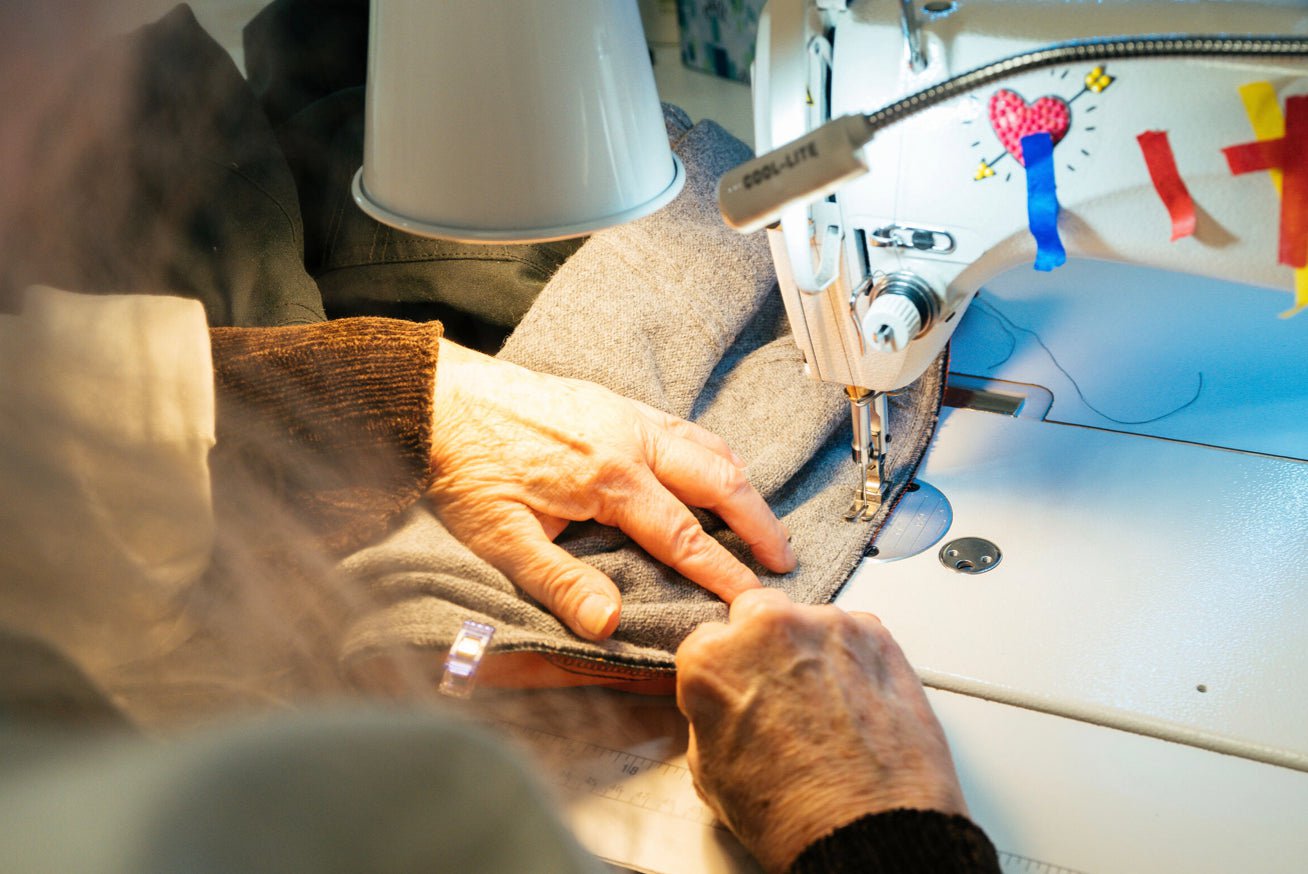
Made in Italy with light & luxurious cotton fibers this sleeveless Spring seasonal knit is crafted for smart comfortable warm weather occassions at low elevation or in a summer chalet setting.
ALPINE TRADITION
Adopted by the Founding Female members of the Kandahar Club of Murren, Switzerland, while boldly displaying the iconic uniform Swiss Cross, this Spring warm weather knit commands sophistication, taste, and alpine authenticity.
FIT FOR SPRING & SUMMER
Spring & Summer sleeveless presentation & fit is a liberation from the cold winter with a cut ideal for smart warm weather wear occassions.
THE STORY
Founded in the winter of 1928, the Kandahar Ski Club emerged from a singular moment of ambition, elegance, and quiet defiance in the high Alps. Its earliest members—many of them British expatriates and visiting sportsmen—set out on foot from Mürren, climbing laboriously to the summit of the Schilthorn before committing themselves to a long, uncompromising descent toward the valley below. There were no lifts, no guarantees—only resolve, skill, and the conviction that alpine sport could be elevated to something noble and exacting.
From its inception, the Club embodied a particular sensibility: British in temperament, alpine in spirit. It was shaped by the traditions of mountaineering, military discipline, and gentlemanly sport, yet animated by a modern appetite for speed, competition, and technical mastery. Skiing, for Kandahar’s founders, was not recreation alone—it was a test of character conducted at altitude.
Notably, the Kandahar Ski Club was progressive for its time. Alongside its founding gentlemen were pioneering women—many also of British origin—who refused the era’s narrow definitions of sport and society. These early female members skied the same slopes, endured the same climbs, and competed with the same quiet determination as their male counterparts. Their presence was not ornamental; it was essential. In an age when alpine sport was still being codified, Kandahar stood apart by recognizing skill and courage above convention.